
Newsletter Subscribe
Enter your email address below and subscribe to our newsletter

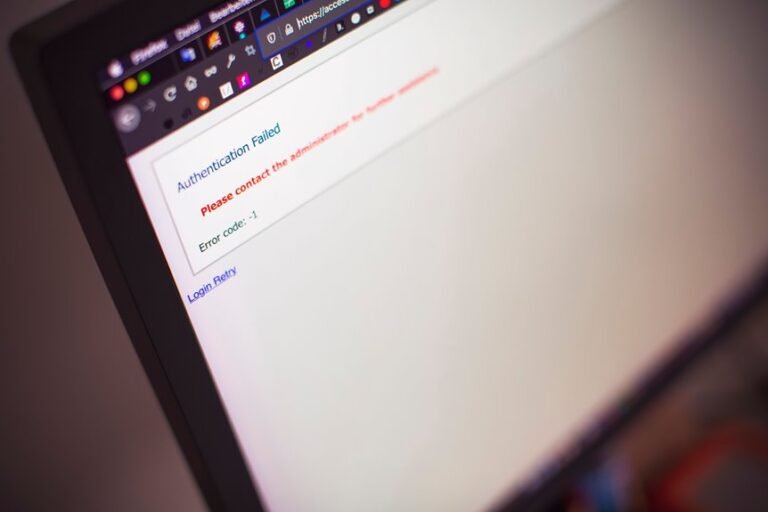
The article introduces the 19216872 address format as a single eight-digit ID for local networks, distinct from standard IP notation. It outlines quick login steps for 192.168.72.x devices and flags common problems that can block access. It also emphasizes secure,…
 Bysonu
The 168.1.188 Router Login and Default Settings Guide examines why secure access matters and what novices should verify from the start. It outlines how to reach the login page, and emphasizes updating default credentials and safeguarding configurations. Practical steps cover…
Bysonu
The 175.39.49 address serves as a locator within a complex global routing and allocation framework, signaling ownership by registry, provider, and assignment practices rather than a unique personal identifier. Its position in the network map reflects layered governance, policy, and…
Bysonu
The discussion centers on the 168.32 router IP, a private gateway used to access a device’s admin interface securely. It outlines how to locate the address safely, verify compatibility, and assess latency benchmarks. Steps cover login procedures, security measures, and…
Bysonu
An incomplete private IP address, such as 16.29, lacks a full octet, creating ambiguity in host identification and routing decisions. This gap disrupts ACL enforcement, address validation, and network reachability. The risks include misrouting, inconsistent policies, and auditing challenges. Proper…
Bysonu
The 168.2.104 network denotes a defined IPv4 segment for local routing, access control, and device grouping. A disciplined router access strategy, coupled with controlled configuration changes, supports scalable segmentation and auditable compliance. Properly mapping interfaces to this subnet clarifies reachability…
Bysonu
Understanding 168.0.142 as a home router address is foundational for secure network access. This guide outlines safe steps to reach the admin panel, clarifies default settings, and highlights early changes that improve security. The discussion presents a cautious approach to…
Bysonu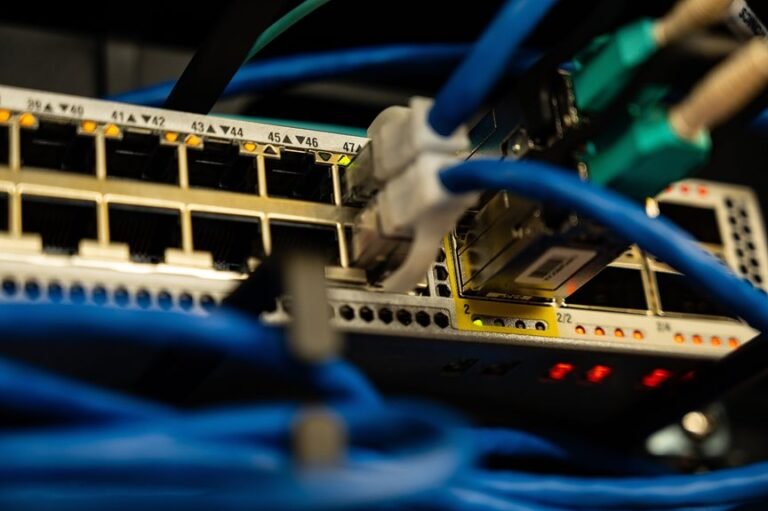
168.178.4.1 is an unusual gateway address that can indicate misconfiguration or nonstandard planning. To resolve it, verify the device’s default route and compare it with the LAN gateway and subnet details. If needed, restore factory defaults, assign a valid gateway,…
Bysonu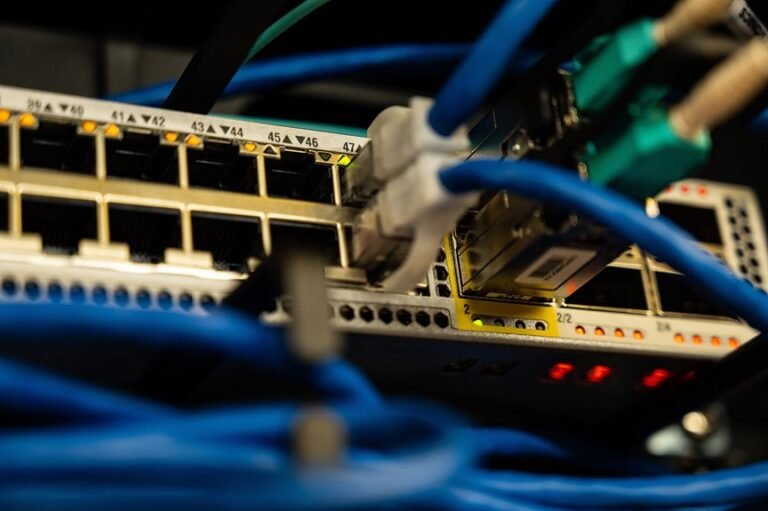
The concept of an 168.51 incomplete router address refers to a partial IP shown for a gateway, with host octets missing. This signals a routing- or DHCP-related issue that can misdirect traffic. Common causes include DHCP scope errors, subnet misalignment,…
Bysonu
Access to the 168.8.103 router admin panel requires a browser connection via or , followed by credential verification to view firmware status and management options. The procedure emphasizes strengthening admin accounts, enabling device encryption, and applying threat protections. It…
Bysonu