
Newsletter Subscribe
Enter your email address below and subscribe to our newsletter

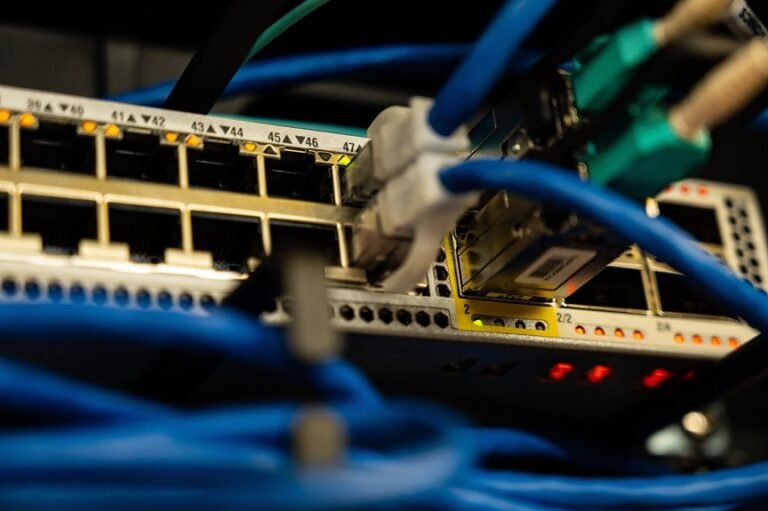
Secure access to the 168.1.52 Easy Router begins with verifying the device’s real IP and using a trusted browser over HTTPS, then applying unique credentials to limit access. The quick setup covers essential wireless and LAN basics: rename the network,…
 Bysonu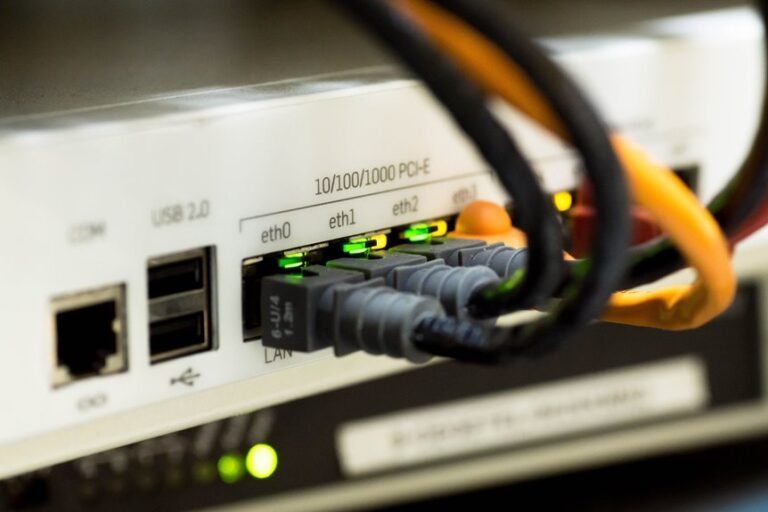
A thorough outline for the 168.1.79 router login and network settings guide frames access to the admin interface at or , noting that login behavior varies by firmware and network setup. The guide emphasizes status dashboards, strong authentication, firmware…
Bysonu
The “168.49.1.7007 Invalid Router Address” error denotes an IP value that violates IPv4 formatting or valid range constraints, usually due to input mistakes or misconfigurations. This piece examines what the message signals, identifies typical causes, and outlines verifiable checks. It…
Bysonu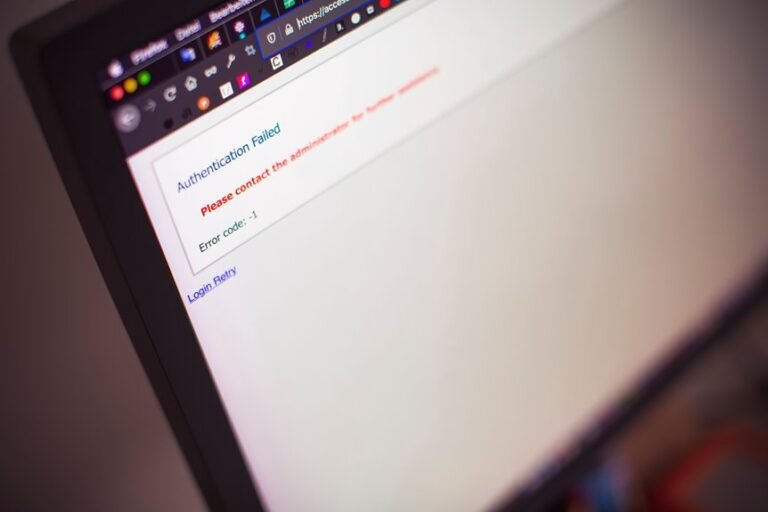
The guide on 168.1.102 outlines secure login practices and configuration considerations in a methodical, technical manner. It emphasizes HTTPS from the authenticated domain, stable sessions, and repeatable prompts. It covers performance, privacy, and auditing controls with clear troubleshooting paths for…
Bysonu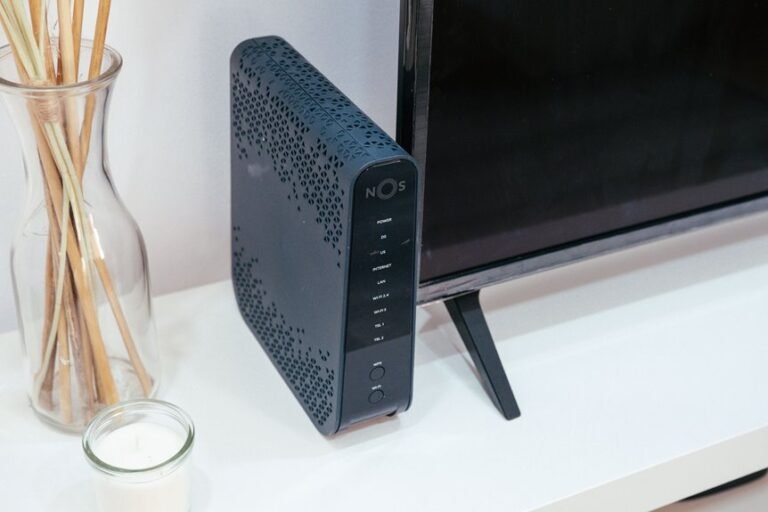
This guide outlines a disciplined approach to accessing and configuring the 168.10.17 router admin interface. It begins with a secure login to , followed by authenticated access and session control. Emphasis is placed on credential discipline, firmware updates, and auditable…
Bysonu
Understanding the 192.168.1.x format is essential for local network access and device management. The gateway typically lies at a 192.168.1.1 or 192.168.1.254 address, but exact numbers vary by device and ISP. Proper identification, secure login, and routine updates reduce risk…
Bysonu
Incomplete IP addresses such as 199.182 denote partial octet data, often arising from logging gaps, UI truncation, or partial data transfers. They can complicate routing, attribution, and anomaly detection. Distinctions between incomplete and complete addresses must be validated against routing…
Bysonu
63.253.200 offers insight into ownership and routing patterns through careful analysis. A precise lookup requires authoritative sources, clear scoping, and reproducible steps. By examining whois records, geolocation hints, and AS relationships, one can map paths across hops and reveal infrastructure…
Bysonu
85.220.41 is within RIPE NCC allocations, placing it in Europe’s routing ecosystem. The address can reveal owner identity, allocation scope, and potential ASN linkage, but results vary with privacy rules and data freshness. A reliable approach combines WHOIS, ASN data,…
Bysonu
The 168.27 route error arises when a device uses an incorrect IP, subnet, or gateway within the 168.27 space, causing misrouted traffic or loss of connectivity. Correct usage depends on a non-overlapping address pool, precise subnetting aligned to the route,…
Bysonu