Newsletter Subscribe
Enter your email address below and subscribe to our newsletter

 Bysonu
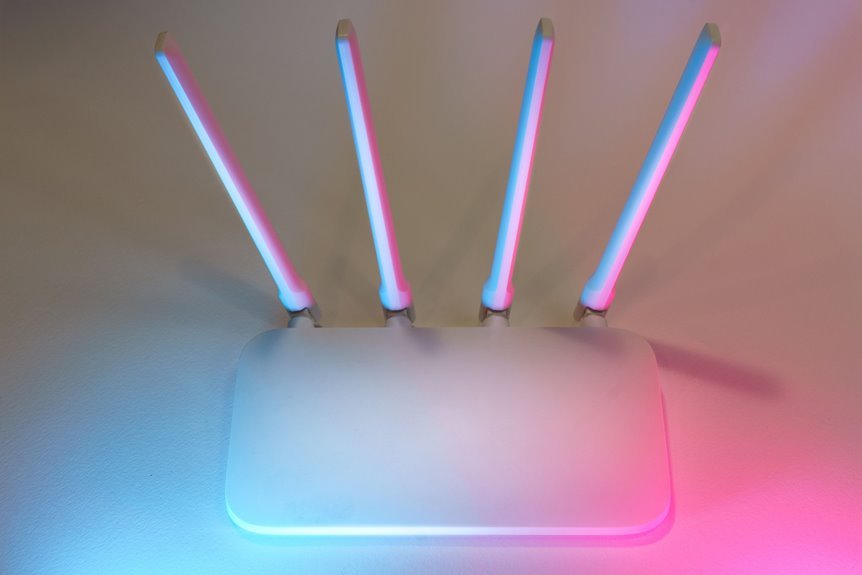
Understanding 168.0.142 as a home router address is foundational for secure network access. This guide outlines safe steps to reach the admin panel, clarifies default settings, and highlights early changes that improve security. The discussion presents a cautious approach to credentials, firmware, and guest access, with attention to potential misconfigurations. A practical path is offered, yet decisions remain with the reader’s context—and the next considerations could redefine how the network behaves.
168.0.142 is a private IP address commonly used as a gateway in local networks. It serves as a routing reference point inside home networks, enabling devices to communicate beyond the immediate device set. Understanding its role clarifies network structure, ensuring predictable access.
In practice, this address anchors configuration, monitoring, and diagnostics for reliable, flexible home networks. two word ideas 168.0.142, home networks.
Accessing the router’s admin panel should be performed from a trusted device on the local network using a wired or secure wireless connection. The process emphasizes minimal exposure: disable remote management, enable device authentication, and monitor access logs. Accessibility tips support diverse users, while password management reinforces security; use strong, unique credentials and regular changes to preserve ongoing control and freedom from intrusion.
What credentials come with a router and why they matter? The article examines essential login credentials, default settings, and immediate changes. It presents a precise, cautious framework for admin access, password setup, and password recovery. Key actions include enabling firmware updates, implementing network segmentation, establishing guest wifi, and restricting unnecessary services. Clear, deliberate steps minimize risk while preserving user freedom and control.
Quick troubleshooting steps and a starter security checklist for Wi-Fi focus on rapid issue isolation and foundational protections. The guide emphasizes calm, methodical checks: verify secure firmware, confirm router uptime, and inspect connected devices. Enable guest networks for visitors, disable WPS, update credentials, rotate passwords, and document changes. Maintain minimal exposure, log events, and reassess after each action for stable, freedom-friendly network hygiene.
The answer: Yes, one can change the router’s IP address beyond 168.0.142. This involves adjusting the LAN settings, enabling change default ip, and configuring remote access. Cautious steps ensure proper accessing remote management and network stability.
168.0.142 is not exclusively fixed to a single brand; multiple manufacturers may use it in LAN configurations. The answer depends on device, firmware, and regional settings, affecting router compatibility and interoperability. The anecdote: a traveler’s map guiding diverse brands.
If the default login page won’t load, it suggests connectivity issues or device access problems. Discussion ideas include verifying IP address, restarting equipment, and checking cables. Troubleshooting connectivity relies on careful steps and documented observations for future freedom.
Absolutely, the forgotten password can be recovered. The author describes precise recovery steps: access router via reset, secure account details, create a new password, reconfigure security settings, and verify access, ensuring controlled freedom without exposing sensitive data.
Public DNS risks exist, but are typically manageable with careful configuration; safety implications depend on trusted resolvers and encryption. The router’s use should balance privacy, reliability, and control, preserving user freedom while avoiding exposure to malicious traffic.
A carefully secured home network hinges on understanding 168.0.142 as a local router address and applying disciplined access practices. Practitioners should disable remote management, enforce strong authentication, and promptly update firmware. One striking statistic: studies show that up to 60% of home router breaches stem from weak or unchanged default credentials. By rotating credentials, enabling guest networks, and monitoring logs, users create a structured security hygiene that reduces exposure and enhances reliable device communication within the LAN.