Newsletter Subscribe
Enter your email address below and subscribe to our newsletter

 Bysonu
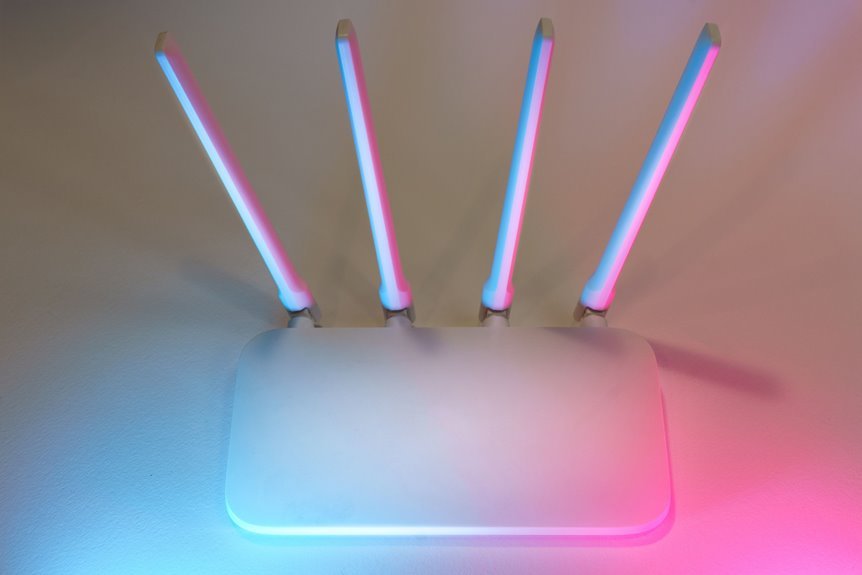
Access to the 168.8.103 router admin panel requires a browser connection via http://168.8.103 or https://168.8.103, followed by credential verification to view firmware status and management options. The procedure emphasizes strengthening admin accounts, enabling device encryption, and applying threat protections. It also covers defining secure network parameters, configuring WPA2/ WPA3, and enabling guest isolation, with reminders to perform regular updates and backups. A misstep here can compromise the network, so the next steps demand careful execution to secure the device’s resilience.
To access the 168.8.103 router admin panel, users must open a web browser and navigate to http://168.8.103 or https://168.8.103, depending on the device’s security settings. The process adheres to a defined Access protocol, ensuring authenticated access.
Upon connection, a login prompt appears; after authentication, firmware update status and options are clearly presented for verification and control.
Creating or updating security settings on the router is essential to safeguard network access and data integrity; this involves configuring administrator credentials, enabling encryption, and applying device-level protections. The procedure emphasizes selecting strong, unique passwords, enforcing firmware updates, and monitoring security risks. Regular audits and planned firmware updates reduce exposure, ensuring resilient defense while preserving user autonomy and system reliability.
Configuring network settings and Wi‑Fi on the 168.8.103 router involves establishing reliable local network parameters and secure wireless access. Settings should define IP ranges, DHCP scope, and SSID with WPA2/WPA3 encryption. Monitor network security, enable guest isolation, and enforce strong passwords. Regular firmware updates preserve stability and defense against threats, ensuring enduring performance and freedom through controlled administration.
Common admin login issues on the 168.8.103 router are addressed by outlining precise recovery steps, including credential resets, local access verification, and boot-time diagnostics.
The procedure emphasizes network password hygiene, secure credential storage, and firmware integrity checks.
If access remains blocked, inspect device firmware versions, perform safe mode recovery, and apply verified configuration backups to restore authoritative control.
A reset procedure can preserve settings if a custom or partial reset is chosen; however, standard resets typically clear configurations. The device may offer settings preservation options, but reliability varies by model and firmware.
Changing the router’s default login URL requires accessing admin settings and altering the management address. Change IP address to a new internal URL, then enable remote management to sustain access while preserving local network security and user autonomy.
There is a mobile app for administration. Mobile app usage is supported, with app features support including remote management, status monitoring, and firmware updates; however, feature availability depends on the router model and firmware version.
What are the guest network limitations on 168.8.103? Guest network limitations include restricted bandwidth, access duration, and isolations from local devices; Administrative features allow control over SSID visibility and guest access rules, ensuring secure, freedom-friendly network management.
Backup configurations should be saved via the router’s Administration menu; restore settings can be applied similarly. Ensure firmware update is current before restoring, and review parental controls after restoration to maintain security and user autonomy.
To secure the 168.8.103 router, adhere to rigorous access controls and disciplined maintenance. A robust admin login, unique credentials, and strong encryption are non-negotiable, and firmware updates must be applied the moment they’re released. Network parameters should be carefully tuned, with WPA2/WPA3 and guest isolation enabled. Regular audits, backups, and threat protections are essential. In short, flawless configuration and vigilant upkeep are the difference between a secure network and a spectacularly vulnerable one.