
Newsletter Subscribe
Enter your email address below and subscribe to our newsletter

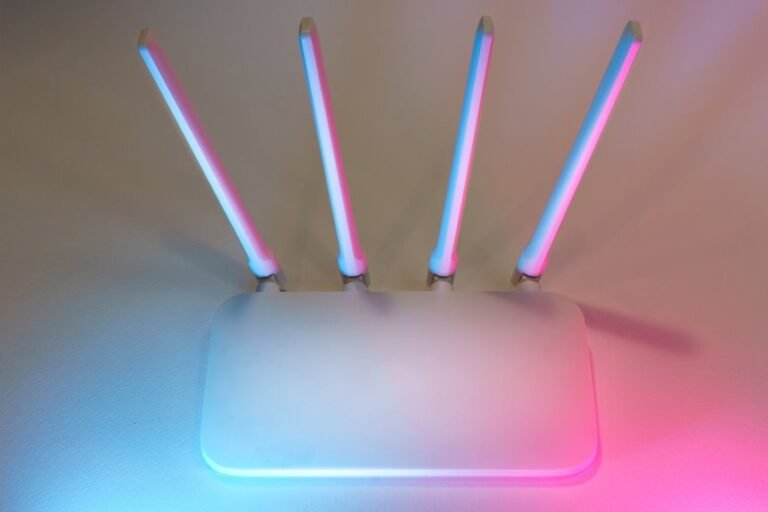
For beginners, the 168.10.5 router login guide offers a clear path to secure, reliable home networking. It outlines safe access, essential credentials, and initial setup steps that reduce common mistakes. The guidance covers Wi‑Fi configuration, security best practices, and basic…
 Bysonu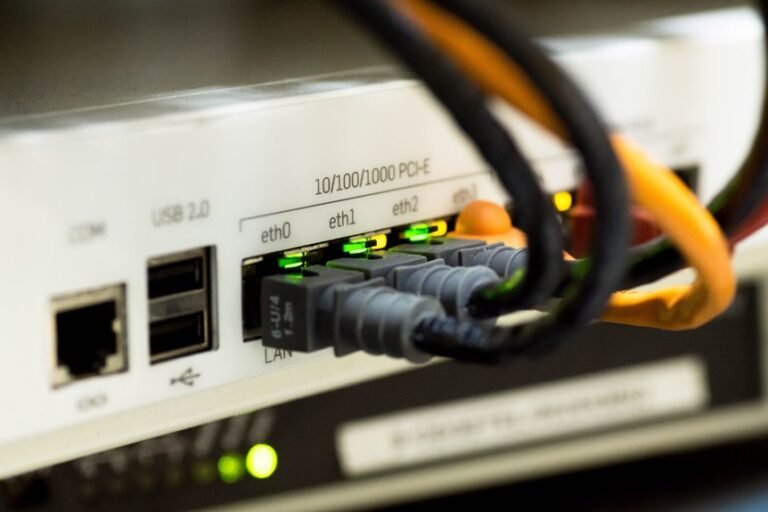
The 192.31.1 pattern highlights a common pitfall: misinterpreting subnet boundaries and legacy defaults to locate the gateway. Misconfigurations arise from omitting details or mistaking the default route, yielding inconsistent reachability. To avoid this, verify active connections, trace the default gateway…
Bysonu
The 168.254.111 admin panel requires careful, controlled access. A precise approach covers Safe Network integration, endpoint verification, and strict authentication with least-privilege principles. Establish a trusted network, enforce strong multi-factor authentication, and rotate credentials while logging every access attempt. Define…
Bysonu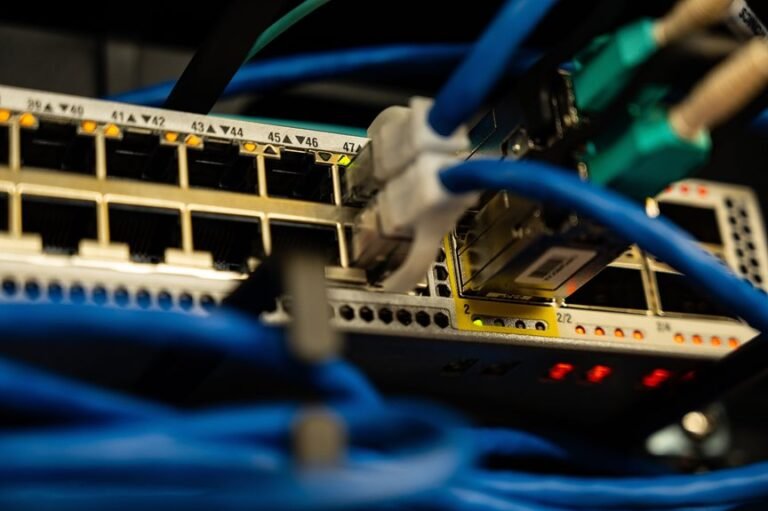
Accessing the 168.0.108 router web interface requires a device on the local network, a browser, and the correct IP address. It involves secure authentication, firmware checks, and careful configuration of wireless and parental controls. Quick login fixes focus on connectivity…
Bysonu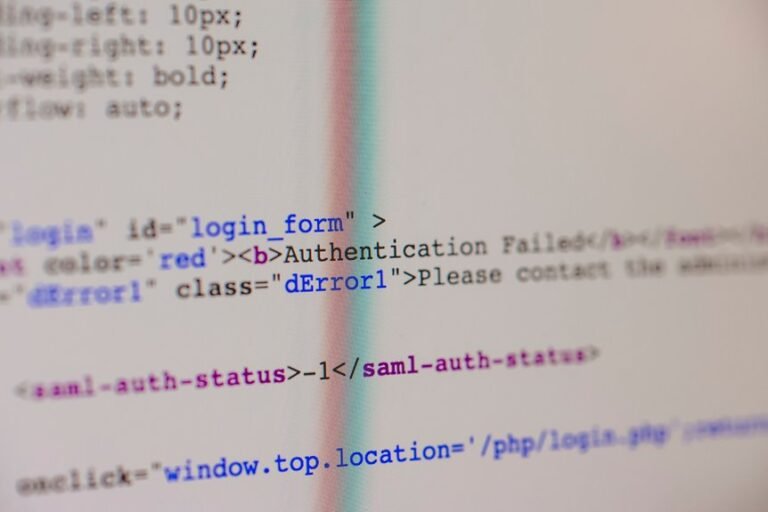
192.168.0.103 is a private IPv4 address used for local networks. Its format fits the 192.168.0.0/16 range with a typical subnet mask of 255.255.255.0. Proper login requires locating the device’s official admin portal URL, obtaining the correct administrative username and a…
Bysonu
The IP address 90.150..204 illustrates a fundamental rule: IPv4 must contain four octets. An empty octet creates an invalid format and breaks syntactic expectations for parsers and logs. This anomaly often signals inconsistent input handling or data corruption. Understanding its…
BysonuThe guide examines whether 192.1.254 is a router’s correct IP and how to verify it. It outlines what the address format implies and who might use it, then details practical checks and safe steps to access the admin page. Each…
Bysonu
Access to the router admin panel should be fast and straightforward. The guide centers on a clean, secure path from connect-device to initial setup, with minimal steps and clear prompts. It emphasizes essential baselines—firmware updates, cautious remote access, and reliable…
Bysonu
Setting up the 168.8.2 router begins with access to the admin panel and verification of the default credentials, followed by a first‑time sign‑in. The process requires securing the device by changing defaults, enabling persistent login where available, and documenting the…
Bysonu
An incomplete public IP address conveys only a partial endpoint, not a full route or identity. Such fragments limit precise attribution and hinder definitive traffic tracing. They reduce visibility for monitoring while preserving enough signal for partial threat modeling. Operators…
Bysonu