Newsletter Subscribe
Enter your email address below and subscribe to our newsletter

 Bysonu
For beginners, the 168.10.5 router login guide offers a clear path to secure, reliable home networking. It outlines safe access, essential credentials, and initial setup steps that reduce common mistakes. The guidance covers Wi‑Fi configuration, security best practices, and basic ISP settings with a focus on stability. By following the structured process, users can anticipate predictable results, yet uncertain nuances may require closer attention as the next steps unfold.
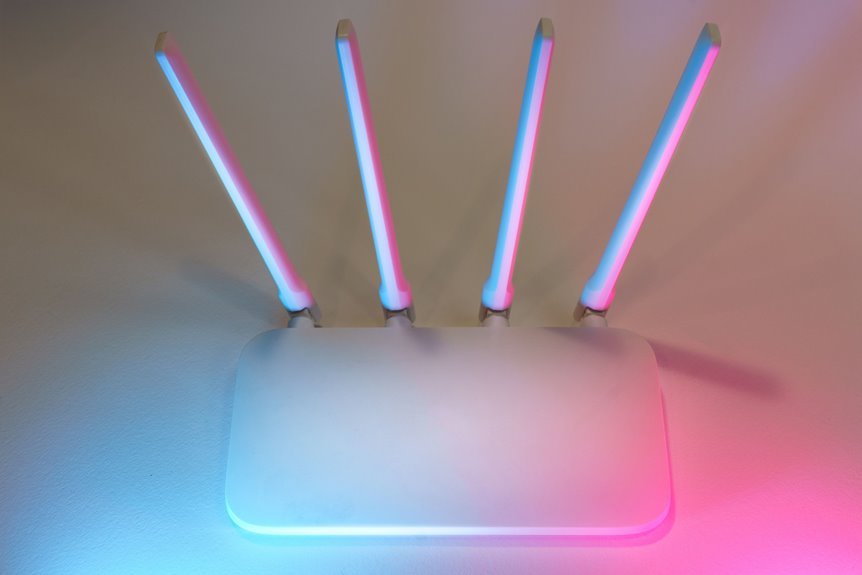
The 168.10.5 router is a network device that manages data traffic between a local network and external networks. It provides routing, filtering, and protocol support essential for connectivity. The device embodies noncommunicable ethics by prioritizing reliability and security over unnecessary features. Awareness of hardware limitations ensures expectations align with performance, fan noise, and processing constraints inherent to embedded networking hardware.
Navigating to the router’s login page is the next practical step after understanding its role in a network. Access should use the device’s local IP or a secure URL, avoiding public portals. Credentials must be unique and stored safely; enable two-factor when available. After login, apply firmware updates and review guest networks to maintain strong, flexible security.
To begin quick setup, users should configure basic Wi‑Fi settings, implement essential security measures, and adjust ISP-related parameters in a clear, orderly sequence: set the network name (SSID) and password, enable strong encryption (WPA3 when available), introduce a guest network if needed, update the router firmware, and verify basic ISP settings such as connection type and DHCP or static IP as required by the service.
networking basics, user security.
Verify connectivity across devices by running basic network tests and confirming that the router communicates with the modem and the Internet.
A systematic approach follows a clear feedback loop: document results, adjust settings, retest.
Identify hardware compatibility issues, check firmware versions, and ensure consistent DNS behavior.
Isolate failures, reconfigure as needed, and restore stable operation with concise, actionable diagnostics.
Yes, one can change ip address by accessing the router’s admin interface, selecting LAN settings, and assigning a new gateway. After changes, perform a firmware update if available, and reboot to apply the updated configuration.
The reset button restores factory settings; perform a power cycle after. If issues persist, consider firmware rollback, ensuring backup configurations. For security, reconfigure network segmentation post-reset, while preserving freedom to customize beyond defaults.
The safest firmware update method is to use official vendor tools or web interfaces with automatic integrity checks. Firmware safety depends on verification and source authenticity; update methods should prioritize signed packages, offline backups, and reliable rollback options.
Parental controls overview reveals options such as time limits, content filters, and site blocks; enabling parental controls is a straightforward process, then restrictions apply system-wide. This approach preserves freedom while guiding usage with thoughtful, precise configuration.
A secure guest network can be hosted by segmenting guest SSID traffic from the main network and enabling WPA3 with a strong wireless password. Regular firmware updates and client isolation further protect the secure guest network.
Conclusion: In navigating the 168.10.5 router login process, users gain reliable control over their home network, from secure access to stable connectivity. The guide emphasizes safe practices, precise configuration, and proactive testing, ensuring ongoing performance. Like a steady compass, it points the way toward privacy, speed, and peace of mind, inviting readers to maintain their settings with diligence and care.