Newsletter Subscribe
Enter your email address below and subscribe to our newsletter

 Bysonu
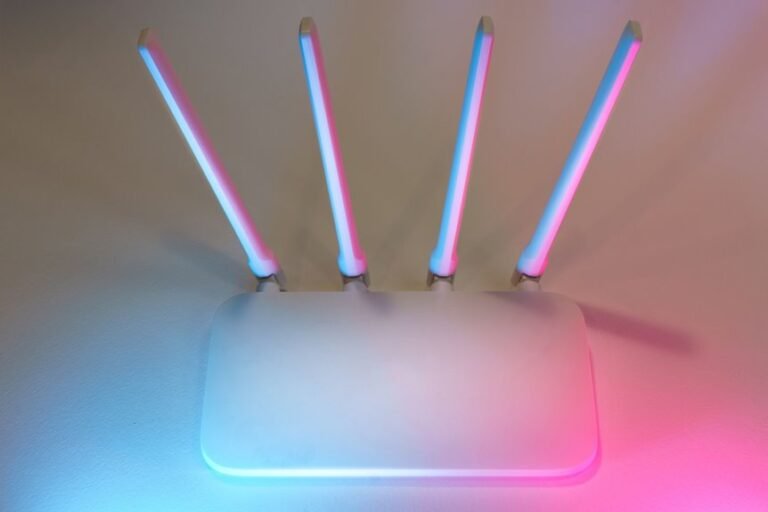
Access to the router admin panel should be fast and straightforward. The guide centers on a clean, secure path from connect-device to initial setup, with minimal steps and clear prompts. It emphasizes essential baselines—firmware updates, cautious remote access, and reliable rollbacks—while presenting WAN, Wi‑Fi, and local-network configuration as a predictable flow. A practical dashboard supports ongoing health checks, but the key question remains: how will this balance speed with robust security in real-world setups?
To access the router admin panel quickly, users should connect a device to the router’s network and enter the router’s default IP address into a web browser. This initializes immediate access to essential controls, enabling rapid configuration.
The process emphasizes quick access and streamlined admin panel navigation, focusing on clarity, control, and freedom from unnecessary steps.
Essential security baselines for the 168.4.4 routers establish a foundational defense against evolving threats. Implement strong security firmware updates, enable automatic patching, and verify SHA-256 integrity before deployment.
Enforce network segmentation with a dedicated guest network, restrict admin access to trusted devices, and disable remote management unless essential.
Regular audits ensure resilient, transparent, freedom-oriented security posture.
First-Time Configuration: WAN, Wi‑Fi, and Local Network sets the baseline for secure, reliable connectivity by detailing initial settings for the modem, access points, and internal segments.
The first time steps cover wan setup, admin panel access, wifi security, and local network segmentation; clear defaults, early updates, and planned backups reduce troubleshooting, empower ongoing freedom, and enable robust configurations.
Ongoing management covers routine maintenance tasks that keep the network secure and reliable after initial setup. It emphasizes a deliberate update cadence, timely firmware health assessments, and documented change logs.
Backups are scheduled, tested, and encrypted.
Troubleshooting priorities are root-cause oriented, with clear rollback procedures and status dashboards to sustain performance while preserving user autonomy and organizational freedom.
The user can change the default router login URL, but it depends on the device. To strengthen security, consider changing password and updating firmware, ensuring access remains controlled while maintaining functional administration.
A hypothetical cafe grants guest access by creating a separate guest network with device isolation, strong passwords, and regular firmware updates; users can connect briefly while admins monitor activity, ensuring password strength meets policy without compromising freedom.
Fault indicators are LEDs designated for hardware diagnostics; a steady power or amber link light typically signals normal status, while blinking or red LEDs indicate faults requiring diagnostic review and potential component replacement.
Parental controls can be enabled via the Router login. The device restricts content and timing. Configure Guest network and Remote management settings to enforce rules; adjust schedules, device access, and user permissions for a balanced, freedom-respecting network experience.
Yes, it is possible to disable remote management securely. The router should: disable port forwarding, update firmware, change default login page, and secure remote access to minimize exposure and maintain authorized connectivity.
In the grand theater of home networking, the router’s admin panel pretends to be indispensable, yet it merely coordinates how devices pretend to be online. The irony is delightful: the fastest setup demands the most deliberate security, firmware checks, and sane backups—tasks users would rather defer. Still, when done, the dashboard reassures with a calm, pixel-perfect health summary. Security, not speed, remains the quiet hero behind this brisk, user-friendly convenience.