Newsletter Subscribe
Enter your email address below and subscribe to our newsletter

 Bysonu
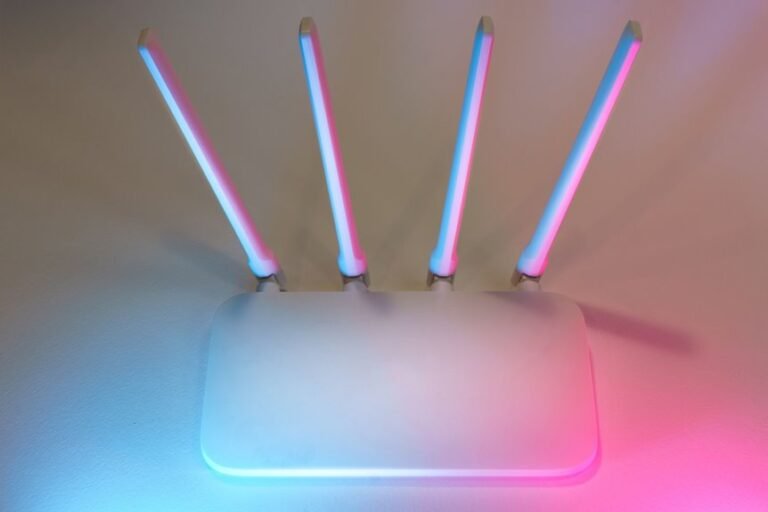
Accessing the 168.1.97 router admin panel requires locating the device’s default gateway on a connected computer or mobile device and entering it into a web browser. The login uses admin credentials, preferably over a trusted network with unique passwords and strong authentication. Security steps should include disabling unnecessary remote access, updating firmware, and documenting changes. After reauthentication, connectivity must be verified. Those who follow these disciplined steps will uncover practical safeguards that warrant careful continuation.
To sign in to the 168.1.97 router admin panel, locate the device’s default gateway address on a connected computer or mobile device and open a web browser to that address.
The process follows a precise sequence: initiate login, enter credentials, and proceed through sign in procedures.
Security considerations emphasize unique passwords and continuous monitoring to preserve operational freedom.
Locating and accessing the admin console begins with identifying the correct route to the device’s management interface and verifying the connection’s security.
The process emphasizes trusted networks, updated firmware, and unique credentials.
Awareness of privacy concerns and social engineering is essential; users should resist unsolicited prompts and confirm administration endpoints, ensuring direct access through documented URLs and authenticated devices only.
After establishing a secure path to the device’s admin console, the initial configuration steps focus on establishing a solid foundation for ongoing management. The protocol emphasizes disciplined parameter hardening: enable strong authentication, disable remote admin where unnecessary, and create a memorable, unique admin password.
Prioritize network security reviews and schedule firmware updates to maintain device integrity and future resilience.
Common access and setup issues with the 168.1.97 router typically stem from misconfigurations, weak credentials, or network obstacles.
The approach is methodical: verify admin credentials, reset if necessary, and confirm wired/wireless paths.
Conduct security audits, review firewall rules, and ensure firmware updates are current.
Document changes, test connectivity, and reauthenticate, maintaining clear, nonfluffy records for continued freedom and control.
If the administrator forgets it, password recovery is pursued through official interfaces or vendor support; a factory reset may be required, erasing configurations. The process proceeds methodically, ensuring secure recovery while preserving user autonomy and device integrity.
The answer: Yes, but only with careful steps. The official approach uses a backup configuration before performing a factory reset implications. Irony aside, reset minimizes data loss, ensuring configuration restored while noting potential data loss risks.
Firmware access requires navigating to the router’s admin login, uploading the official firmware file, and confirming through a restart. Follow remote safety guidelines, observe the device limit, and verify integrity before finalizing the update.
An anachronism: the model’s remote admin access is not inherently secure; it depends on configuration. It should use secure defaults, minimize remote exposure, and enforce strong authentication, encryption, and regular updates to reduce risk for freedom-seeking users.
The device supports multiple concurrent connections, typically up to dozens, depending on firmware and network topology. As devices age, performance may degrade, reducing concurrent capacity. Proper maintenance mitigates device aging, preserving optimal throughput and secure, reliable connectivity for a freedom-seeking audience.
To secure the 168.1.97 router, identify the default gateway, access the admin panel safely, and log in with unique credentials. Disable unnecessary remote access, enable strong authentication, and keep firmware current. Document changes, test connectivity after reauthentication, and restrict admin URLs to authenticated devices. Perform regular security reviews, monitor for anomalies, and back up configurations. Maintain a trusted network, verify access paths, and validate that only authorized devices can reach the admin interface. Ensure continual accountability and proactive defense.