Newsletter Subscribe
Enter your email address below and subscribe to our newsletter

 Bysonu
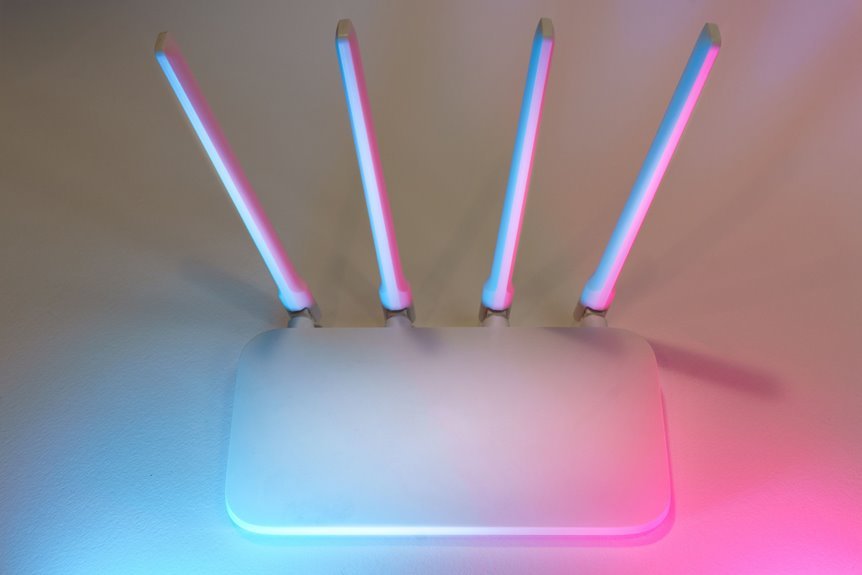
The 168.1.133 IP scheme standardizes router access and network segmentation. A correct format aids consistent configuration and predictable routing behavior. Verifying the address, gateway, and subnet ensures devices share a uniform default route. The login process typically uses a browser to http://168.1.133 with admin credentials and HTTPS when available. Connectivity hinges on accurate credentials, firmware status, and proper cabling; small misconfigurations can cascade into broader issues that demand careful scrutiny.
The 168.1.133 router IP format refers to a specific private addressing scheme used by certain home and small-business networks. It situates devices within a controlled subnet, enabling predictable routing and configuration. This structure supports network security through defined access boundaries.
IP segmentation isolates services, reduces broadcast domains, and enhances manageability, facilitating secure, flexible network administration without exposing public addresses.
Verifying the router’s correct IP address involves confirming the device’s assigned gateway within the local network and ensuring it aligns with the expected addressing scheme from the previous topic.
This process emphasizes idea one: validate gateway consistency across devices, and idea two: cross-check subnet and mask for accuracy, avoiding misconfigurations that impede access or network freedom.
For 168.1.133-based routers, the login process follows a precise sequence to access the device’s web interface securely and efficiently. The user navigates to http://168.1.133, enters admin credentials, and confirms HTTPS when available. After login, the administrator reviews status screens, applies settings, and logs out. Two word discussion ideas: unrelated topic, random query.
Common login and connectivity problems in 168.1.133 networks often stem from misconfigured IP settings, incorrect credentials, or blocked ports. This section prescribes disciplined diagnosis: verify subnet, gateway, and DNS; confirm credential validity; inspect firewall rules; test cable integrity; and reattempt connections. Reboot troubleshooting steps should precede deeper checks, followed by a firmware update when configuration conflicts persist and hardware remains responsive.
Yes, it is possible to access the router settings from a mobile device. The detached reviewer notes mobile access depends on app compatibility, network security, and firmware updates for secure, smooth configuration on the go.
If the login page won’t load, one should verify network connectivity, clear browser cache, restart the router, and try a direct IP access; this addresses login issues while enabling mobile access. The solution remains concise and precise.
Remote access is typically disabled by default; about 60% of devices require manual enablement. The router may lack consistent mobile compatibility, browser compatibility, and reset procedures unless explicitly configured for remote administration.
Browsers: any modern engine performs adequately. Two word discussion idea1, two word discussion idea2. In practice, Chrome, Firefox, Edge, and Safari handle 168.1.133 routers efficiently, with minimal compatibility quirks, ensuring prompt access and secure administration by freedom-minded users.
The reset procedure is straightforward and harmless, balancing precaution with practicality. Factory safety is maintained by using the recessed reset button, preserving settings, and powering off during steps; this ensures safe restoration without unintended data exposure.
In a world where everyone worships dynamic IPs, the 168.1.133 scheme pretends to be exclusive, a tidy little club for meticulous admins. Yet its elegance is matched only by its fragility: a misplaced subnet mask or a reboot gone rogue can plunge the network into existential latency. So, the satire ends where common sense begins—verify, login, and reboot with the confidence of a technician who knows the gateway is not a suggestion but a gatekeeper.