Newsletter Subscribe
Enter your email address below and subscribe to our newsletter

 Bysonu
The correct router IP format is a private IPv4 address, commonly 192.168.1.254, not 19216810254. This guide clarifies identifying the right gateway, logging in securely, and maintaining route integrity. It covers verification steps, a secure login flow, and basic troubleshooting when access fails. For those managing a network, precision matters and proper safeguards are essential. A misstep can expose a whole LAN, so the practical steps that follow warrant careful attention.
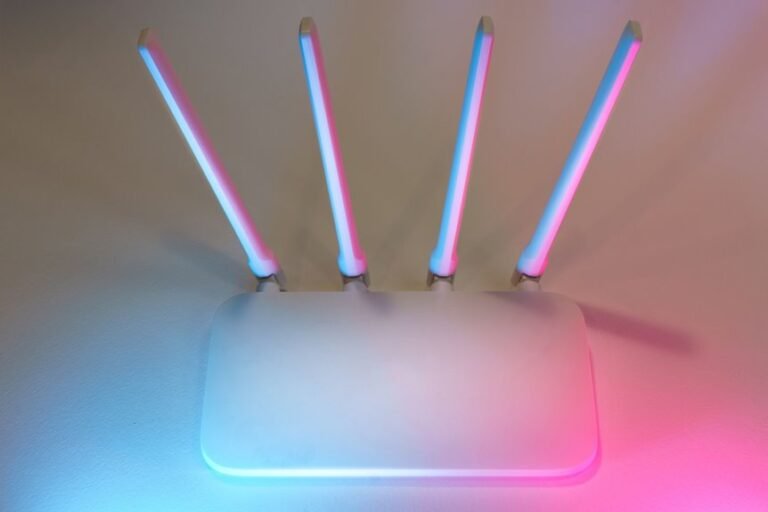
192.168.1.254 is a private IPv4 address commonly used as a default gateway for many home and small-business routers. This designation anchors essential network navigation, enabling device access to configuration interfaces.
Understanding Router IP basics clarifies how devices locate the gateway, while Gateway addresses denote the route to external networks. Knowledge supports freedom through reliable, predictable network management.
To ensure the correct router IP is used without typographical errors, users should verify the address through multiple independent methods. Verification methods include checking device docs, examining network settings, and confirming via gateway banners.
This process aids typo prevention and mitigates a misconfigured gateway, enhancing router security while preserving user freedom and control over network access.
Securing router access requires a disciplined, methodical approach: begin by verifying the correct IP address, then proceed to authenticate using strong credentials. The process emphasizes setup basics and security basics: access the admin panel, choose a unique password, enable HTTPS where available, update firmware, and log out after each session. This detached guidance prioritizes deliberate, restrained steps for empowered control.
If the router’s login page fails to load or the password does not grant access, a structured check helps isolate the issue.
The process emphasizes network security priorities, verifying cable integrity and device responsiveness, then applying firmware updates if needed.
Troubleshooting steps include clearing caches, initiating a password reset, and confirming account recovery options to restore secure access efficiently.
Yes, 192.168.0.1 can replace 192.168.1.254 for local access. The choice affects network topology, not legality. However, router security matters; ensure unique IPs, updated firmware, strong passwords, and proper subnetting for 192.0.0.0 private environments. Freedom requires vigilance.
Yes, 192.168.102.54 is a private IP, not routable on the public internet. Explanation: Private vs public IP, IP addressing basics. This matters for local networks, security, and router planning, aligning with an audience seeking freedom and control.
Yes, different switch manufacturers use distinct default logins. The login interface differences reflect vendor conventions, requiring users to consult specific documentation; defaults vary by model, emphasizing secure customization and awareness of each switch manufacturer’s login process.
Finding the router’s manual IP on mobile: check device’s gateway in Wi‑Fi settings, use the same local address on mobile or desktop; troubleshooting without internet remains possible by entering the IP directly, accessing on mobile versus desktop setup.
Accessing LAN only settings is possible with Private IP ranges when devices connect locally; though internet access isn’t required, Device specific login trends show mobile IP discovery can still reveal ADMIN access, enabling configuration without external connectivity.
The router becomes a quiet fortress, its gatekeeper a single, steadfast key. Errors and typos are cracks in the wall, easily sealed by precise IPs and careful checks. Each login is a lantern in a dim corridor, guiding hands to secure settings and updated firmware. When the door is ajar, encryption and strong credentials stand as guardians. In disciplined steps and clear records, the network’s peace is preserved, and access remains trustworthy.