Newsletter Subscribe
Enter your email address below and subscribe to our newsletter

 Bysonu
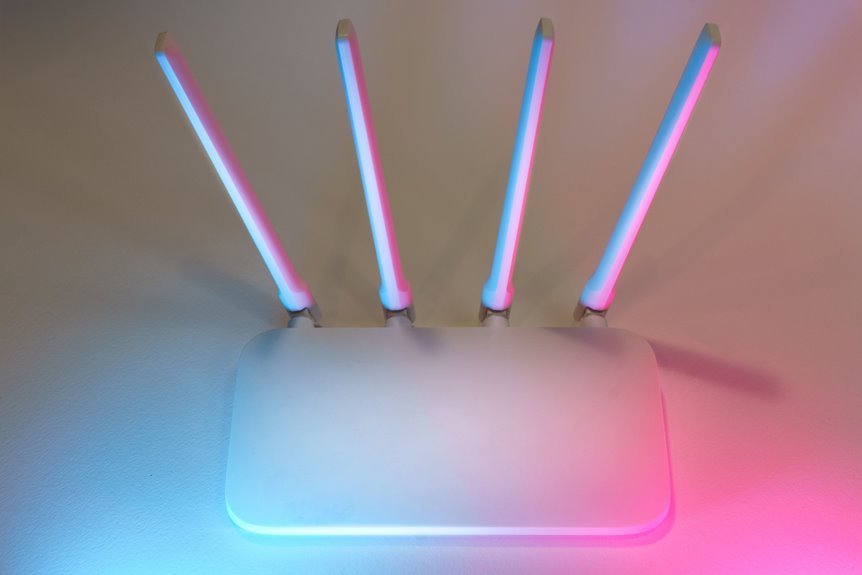
Access to the 168.1.203 router admin portal begins with a connected device and verified gateway address. The process emphasizes secure authentication, firmware checks, and immediate credential hardening. Essential steps cover parental controls, Wi‑Fi basics, and diagnostics to confirm firmware integrity and configuration consistency. The procedure is repeatable and reset-safe, yet unresolved issues or missing updates demand attention before proceeding to the next phase. This yields a clear incentive to confirm each requirement before continuing.
To access the 168.1.203 router admin portal, the user should connect a device to the router’s network and locate the gateway address. The procedure emphasizes authenticating access, verifying firmware updates, and applying network segmentation.
Controls for parental controls are reviewed, ensuring settings align with policy. Documentation remains precise, enabling freedom through transparent, repeatable, and secure administrative actions.
Access to the router’s admin interface should begin with default credential assessment and secure login practice. The process entails verifying default usernames and passwords, then enforcing immediate change to a unique, robust credential. Systematic logging, two-factor prompts, and session timeouts reinforce security. unrelated topic, random comments should be disregarded in credential discipline to preserve integrity and freedom.
Essential Network Settings for Fast, Safe Wi‑Fi begins with configuring the router’s fundamental parameters to optimize performance and protect the network.
The detached analysis outlines channel selection, bandwidth, and security basics, focusing on stable throughput and reduced interference.
Concepts include two word discussion ideas to frame decisions, disciplined firmware updates, and robust password policies, ensuring modern, resilient wireless operation for empowered users seeking freedom.
Common issues with the 168.1.203 router can disrupt connectivity, performance, and security, necessitating a structured diagnostic approach. The review follows a methodical sequence: verify hardware indicators, inspect firmware version, and assess configuration integrity. Troubleshooting basics emphasize isolating variables and reproducible steps. Security across devices is reinforced by reset-safe defaults, segmenting networks, and applying consistent update policies.
Yes, the router’s default IP address can typically be changed via the admin interface. After updating, the change password and port forwarding settings should be reviewed to ensure continued access and secure remote management.
Answering directly: To enable guest network access securely, configure a separate SSID, WPA3 encryption, isolated client VLAN, captive portal for terms, strong password rotation, and disable device discovery; integrate renewable energy awareness into network policies and task automation.
The recommended WPA3 configuration uses SAE for passphrase exchange with strong, unique keys and AES-CCMP encryption; enable OWE for open networks where appropriate. Security audit dictates regular firmware details review and prompt updates to mitigate vulnerabilities.
Backups are created by exporting the router’s configuration to a file, then stored securely; to restore settings, import that file via admin interface. A technician notes “backup settings” first, then “restore settings” during disaster recovery, ensuring configuration fidelity.
Automatic firmware updates are typically supported, enabling update cadence to be managed by the device or admin. This can improve security posture, but may require policy approval or scheduled maintenance to balance reliability and freedom.
In a precise, systematic manner, the user’s path to a secure 168.1.203 router setup is complete: connect, authenticate, update firmware, change default credentials, enable two-factor prompts, and enforce session timeouts, then verify parental controls, optimize Wi‑Fi basics, and run thorough diagnostics. By adhering to repeatable, reset-safe steps, network integrity is maintained. Have all safeguards been applied and verified to prevent unauthorized access and ensure ongoing reliability?