Newsletter Subscribe
Enter your email address below and subscribe to our newsletter


 Bysonu
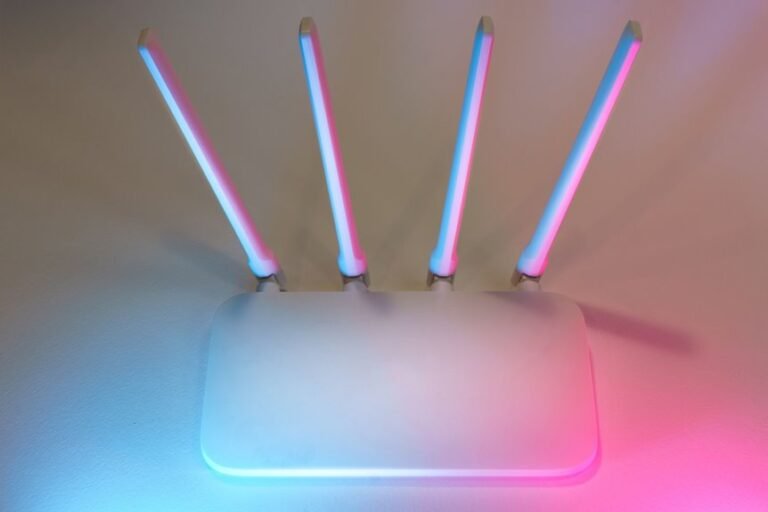
Setting up the 168.8.2 router begins with access to the admin panel and verification of the default credentials, followed by a first‑time sign‑in. The process requires securing the device by changing defaults, enabling persistent login where available, and documenting the new credentials. With Wi‑Fi and network parameters, a non‑default SSID and strong encryption are essential, while WPS should be disabled and a robust firewall configured. The discussion then moves to aligning IP, DHCP scopes, and firewall rules for ongoing protection, but key steps await careful confirmation.
To access the 168.8.2 router admin panel, the user must connect a device to the router’s network and navigate to http://168.8.2 in a web browser. The initial login requires entering access credentials.
Controllers implement initial login security best practices, including unique passwords and role-based access. Consider guest network setup to isolate devices while preserving admin control.
First-time login on the 168.8.2 router typically uses default credentials specified by the manufacturer, which must be changed immediately to secure the device. After initial access, administrators enable persistent login where supported, record credentials securely, and apply firmware updates promptly.
Security considerations include changing defaults, reviewing guest networks, and configuring access rights to minimize exposure during setup.
Secure Wi‑Fi setup involves selecting a non-default, unique SSID, establishing a strong passphrase, and choosing appropriate encryption. The procedure emphasizes avoiding default credentials and aligning with security best practices. It clarifies encryption options and the implications for performance.
During first time login steps, administrators verify access, disable WPS, and document the configuration for resilient, freedom‑oriented network operation.
Essential network settings define how devices locate and communicate on the LAN and WAN. The guide covers IP addressing, DHCP scope, and firewall rules, enabling controlled access and predictable routing. Emphasize network security through disciplined rule sets and monitoring.
Maintain autonomy with clear configurations and validated firmware updates to preserve stability, performance, and resilience across connected devices.
To reset without data loss is not feasible; a full factory reset erases settings. The procedure should be: perform backup, use reset procedure to restore defaults, reconfigure network security and guest isolation post-reset for minimal disruption.
Like a compass reoriented, one can change the default IP. The process affects router security; care is required. The answer: yes, it is possible to change default IP, enabling improved router security and network autonomy.
The guest network can be isolated by enabling isolation settings, then configuring parental controls to restrict inter-device access; disable cross-network traffic while preserving required port forwarding for guests. This preserves freedom with precise, technical network control.
Parental Controls include time-based Network Scheduling, content filters, and device-level access rules. The router also offers Security Features for threat blocking and firewall rules, plus Firmware Updates to maintain current protections; options balance control with user freedom.
Port forwarding for specific applications is achieved by mapping internal ports to external ones, applying precise firewall rules. It covers port forwarding fundamentals and NAT traversal techniques, enabling direct external access while preserving security and user autonomy.
The 168.8.2 router login procedure emphasizes immediate credential hardening and routine updates, ensuring a secure baseline before advanced configuration. An important statistic underscores this: devices with unique, complex Wi‑Fi passwords reduce the risk of unauthorized access by up to 90% compared to default or weak keys. The guide’s sequence—admin access, credentials change, firmware updates, and disciplined network settings—provides a repeatable, defensible process for resilient home and small-office deployments.