Newsletter Subscribe
Enter your email address below and subscribe to our newsletter

 Bysonu
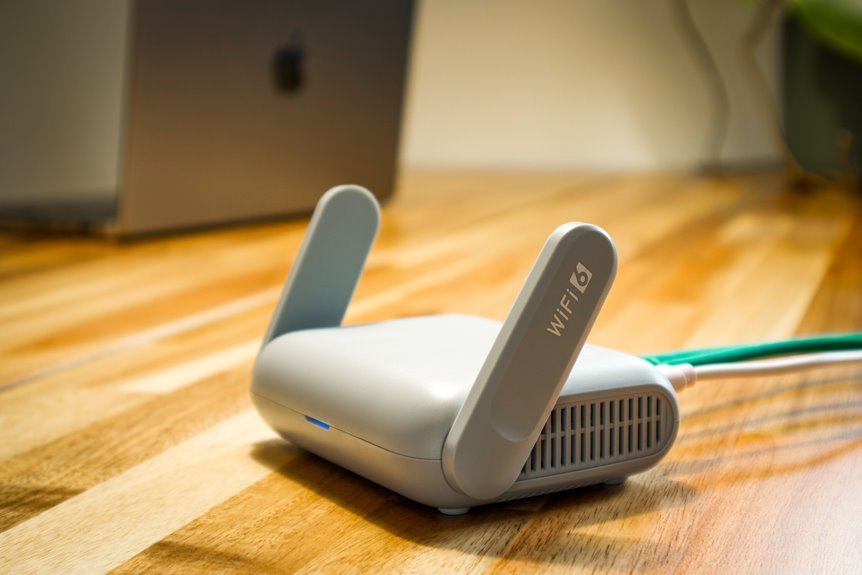
168.100.99 serves as a common gateway address for home routers, directing access to the device’s web interface for LAN-to-WAN management. Understanding its role helps in locating login pages, applying default or updated credentials, and enforcing security best practices. From there, proper steps for logging in, securing access, and performing initial configurations matter. However, the specifics depend on the model and firmware, and a misstep can impact network reliability—precisely why a careful approach is essential as issues emerge.
168.100.99 is a private IP address used within local networks to identify the gateway device, typically a router, that routes traffic between devices on the LAN and external networks.
The designation matters for network topology understanding, enabling targeted management.
SSID security and firmware updates influence resilience, device integrity, and performance, ensuring stable access, reduced risk, and timely protection across connected home ecosystems.
Locating the router’s login page and identifying default credentials is the next step after understanding private IP roles in home networks.
The login page is usually accessed via a browser using the gateway address.
Heed warnings about login security and record default credentials only for authorized device access, then note any changes for future secure access without exposing sensitive data.
Before proceeding with access, the process begins with authenticating to the router’s web interface, ensuring that only authorized users can modify settings. The procedure logs in via the official URL, validates credentials, and establishes a session.
Implement Security best practices, enforce strong passwords, disable remote administration, and enable encryption.
Plan Network segmentation to limit lateral movement and protect sensitive devices.
Effective optimization and troubleshooting for the 168.100.99 router involve systematic checks, parameter tuning, and baseline validation to maintain stable throughput and reliable connectivity. The guidance favors disciplined, repeatable steps: verify firmware, inspect channel and QoS settings, and document changes.
Networking anecdotes highlight patterns; attention to router ergonomics, placement, and cable quality minimizes interference and staff fatigue while accelerating issue isolation and restoration.
Changing the router’s IP address is possible, but it introduces security risks and compatibility notes. It should be done carefully, ensuring devices retain access, DHCP ranges align, and firmware supports the new schema to preserve network stability and freedom.
If default credentials fail, perform a router reset to restore factory settings, then consult alternate login methods. Follow safety precautions, note that default credentials may reappear; change them promptly to secure access and prevent inadvertent exposure.
Remote access requires enabling remote management on the router, configuring secure credentials, and employing HTTPS with a strong certificate. The user should verify firmware security, restrict IP sources, and log activity; caution is advised for freedom-loving administrators.
Essential firmware updates are those addressing critical vulnerabilities and feature improvements; they should be prioritized as part of routine security maintenance. Regular, timely security updates reduce exposure, with verification of integrity and compatibility across devices and networks.
Back up settings by exporting configuration to a local file, then use restore options to reimport when needed; ensure firmware security remains intact by verifying checksums and applying latest firmware before restoration, maintaining operational freedom and stability.
In summary, 168.100.99 serves as a gateway to local network management, enabling essential configuration of LAN-to-WAN traffic, wireless security, and firmware updates. After logging in with strong credentials, the user should disable remote administration, enable WPA3 (or strongest available), and apply a unique admin password. Maintain firmware, document changes, and test connectivity. Anachronistically, a modem’s dial tone echoes through today’s firmware; nonetheless, precision and repeatable steps ensure reliable network performance.