Newsletter Subscribe
Enter your email address below and subscribe to our newsletter

 Bysonu
The 168.29.3 Router Access Guide for Home Networks offers a careful, methodical look at securing and optimizing a home gateway. It emphasizes locating the admin panel safely, documenting credentials, and enforcing strong, unique logins while disabling unnecessary remote access. The guide then presents pragmatic quick-start defaults and a disciplined update cycle, paired with a clear troubleshooting framework. It sets expectations for ongoing management, but leaves a critical juncture unresolved that invites careful consideration.
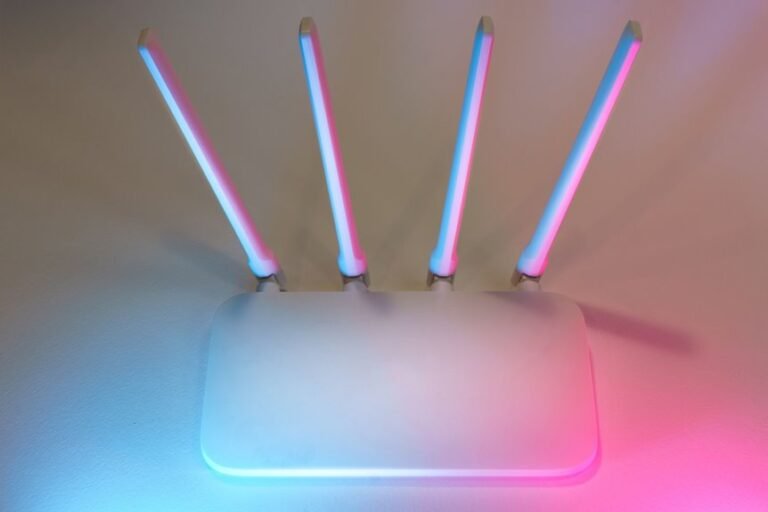
The 168.29.3 router serves as the central gateway for a home network, directing data between connected devices and the broader internet. In this context, the device is analyzed for reliability and security, not glamour.
It emphasizes practical control, discussing default credentials and exploring router branding, clarifying how branding may reflect firmware integrity and potential vendor biases against freedom.
Locating and accessing the admin panel begins with a precise identification of the router’s default network address and credentials, then proceeds to a secure connection and sane access practices.
The process emphasizes a secure login and mitigates exposure through strong, unique credentials.
Practice password hygiene, disable remote management when unused, and review firmware diligence to preserve freedom and limit risk.
Quick-Start Settings to Optimize Home Networks presents a concise, methodical set of defaults designed to maximize performance and security from the outset. The guide emphasizes Home security, prudent firmware updates, and proactive troubleshooting. It defines optimization through stable defaults, thoughtful network segmentation, and accessible parental controls, enabling freedom while reducing risk. Responsible configuration prioritizes clarity, consistency, and resilience across devices and users.
What common issues arise when a home router is deployed, and how can they be diagnosed, corrected, and prevented through disciplined update practices and informed troubleshooting? The guide emphasizes Aesthetic layout, Firmware longevity, Security hardening, Guest networking, Parental controls, QoS prioritization, structured diagnostics, regular firmware checks, careful configuration reviews, and disciplined rollback plans to avoid pitfalls and maintain reliable, secure freedom in a dynamic network environment.
The answer is: It depends on network configuration and security settings. Printer setup can work, but guest networks may isolate devices. Ensure appropriate access, firewall rules, and printer compatibility; unknowns require testing and clear policy to preserve freedom.
Approximately 62% of users seek seamless coverage, and 168.29.3 is not inherently a mesh protocol; mesh compatibility depends on devices. It is not guaranteed; two word discussion ideas, mesh compatibility, require careful verification and defensive testing.
Reboot frequency should be conservative, optimizing stability over constant resets. The assessment notes that excessive rebooting can disrupt sessions, while periodic restarts may restore cache efficiency. For network performance, schedule orderly reboots during low activity windows.
Are Best parental controls available on this router, or is Network filtering limited? It concludes that Best parental features exist, enabling precise, methodical enforcement, while Network filtering provides defensive safeguards; freedom-seeking users should evaluate granular schedules, app blocks, and logging.
Yes, a guest network can be configured without changing admin credentials; the device allows isolation while preserving access control. The setup may involve enabling guest network, then selecting wireless printer, mesh WiFi, and safeguarding admin credentials.
In summarizing the 168.29.3 Router Access Guide for Home Networks, the emphasis rests on disciplined, verifiable steps: secure admin access, documented credentials, and the elimination of unnecessary remote management. The guide advocates for consistent firmware updates, methodical configuration reviews, and clear troubleshooting procedures. Is the network not better protected when every action is traceable and repeatable? By adhering to these precise, defensive practices, users create a robust, adaptable gateway without compromising usability.